








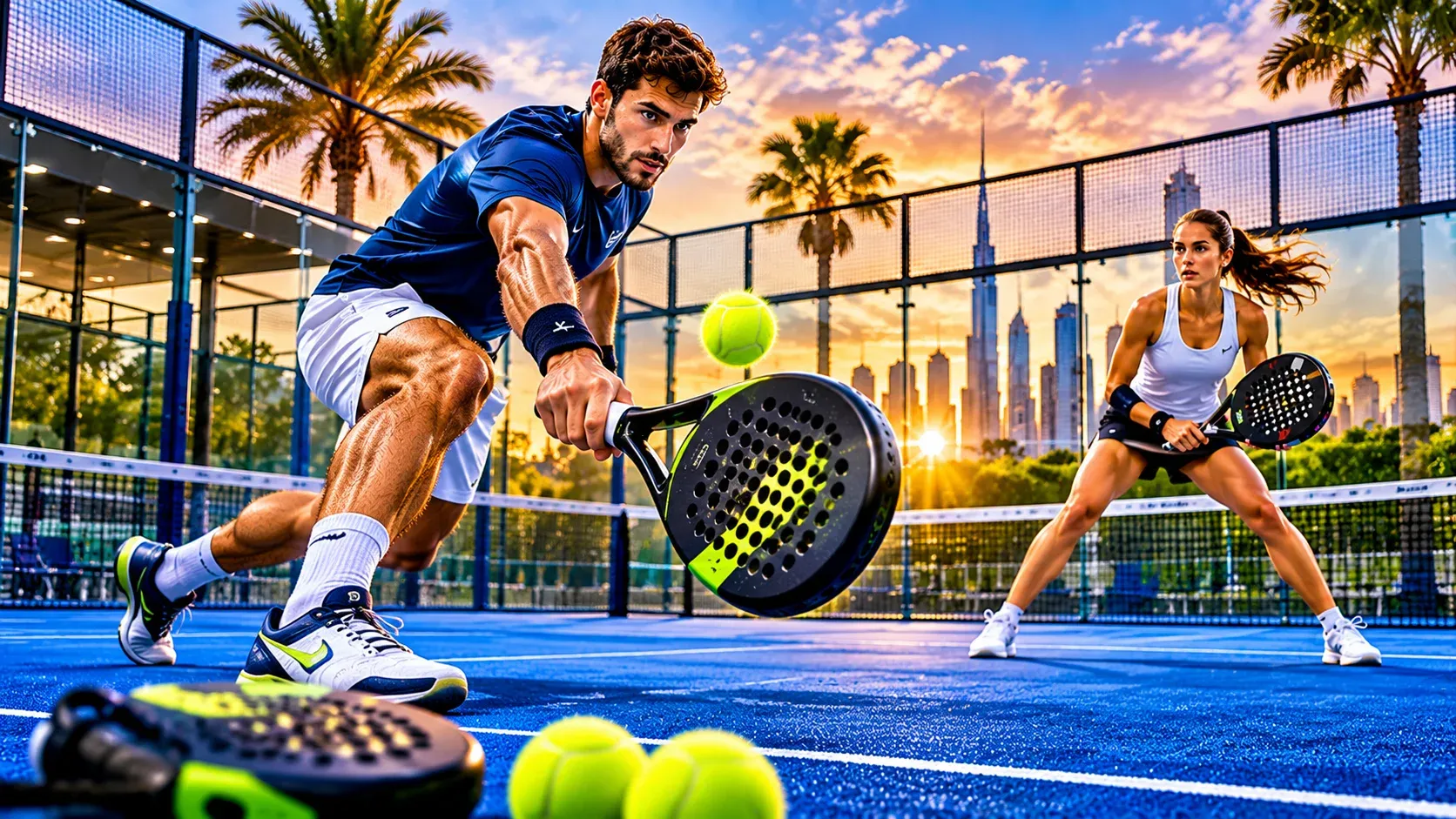
The world of sports is constantly evolving, and 2026 is witnessing the remarkable rise of a racket sport that is attracting millions of new players. Padel, a dynamic combination of tennis and squash, is rapidly gaining popularity across Europe, the Middle East, Asia, and other international markets. What was once a relatively unfamiliar sport is now becoming a major part of modern recreational and professional sports culture.
Unlike traditional tennis, padel is generally played in doubles on a smaller enclosed court featuring glass walls and metal fencing. Its distinctive playing style, accessible learning curve, and highly social nature make it appealing to beginners as well as experienced athletes.
According to the International Padel Federation (FIP) World Padel Report 2026, the sport now has more than 40 million active players worldwide. The report also identifies over 91,200 courts across 191 countries and independent territories. These figures demonstrate how quickly padel is expanding beyond its traditional markets.
But what exactly is driving this international popularity? Is padel simply another temporary sports trend, or is it becoming a permanent part of the global sporting landscape?
In this article, World Info Today explores the reasons behind padel’s extraordinary growth, its rules, equipment, health benefits, professional development, and how beginners can start playing this exciting sport.
What’s Padel? Understanding the Sport Taking Over the World
Padel is a racket sport that combines elements of tennis and squash. It is usually played between two teams of two players on an enclosed court surrounded by glass walls and metallic fencing.
The sport uses a solid, perforated racket rather than the traditional stringed racket used in tennis. Players hit a pressurized ball over a central net, and the surrounding walls become an important part of the game.
One of padel’s most distinctive characteristics is that the ball can rebound off the walls after bouncing on the court, creating longer rallies and interesting tactical opportunities.
Where Did Padel Originate?
Padel originated in Acapulco, Mexico, during the late 1960s. Its creation is commonly attributed to Enrique Corcuera, who developed a smaller enclosed court inspired by tennis.
The sport later gained popularity in Spain after Alfonso de Hohenlohe introduced it there in the 1970s. From Spain, padel expanded into Argentina and other Latin American countries before gradually reaching international markets.
Today, Spain and Argentina remain important centers of padel culture, professional competition, and player development.
What Makes Padel Different From Tennis?
Although padel and tennis share several similarities, their playing environments and techniques are different.
| Feature | Padel | Tennis |
|---|---|---|
| Court | Smaller enclosed court | Larger open court |
| Racket | Solid, perforated racket | Stringed racket |
| Walls | Used during rallies | Not part of normal play |
| Common format | Doubles | Singles and doubles |
| Serving | Underarm serve | Overarm serve |
| Playing style | Tactical and collaborative | Power, placement, and movement |
These differences give padel a unique identity. Instead of relying entirely on powerful shots, players often use positioning, teamwork, controlled shots, and wall rebounds to win points.
Why Is Padel Becoming One of the World’s Fastest-Growing Sports in 2026?
Padel’s popularity is not the result of a single factor. Its growth reflects a combination of accessibility, social interaction, infrastructure investment, professional competition, and increasing international awareness.
1. Easy to Learn for Beginners
One of the biggest reasons behind padel’s popularity is its relatively accessible learning curve.
Beginners do not necessarily need years of racket-sport experience to start enjoying a casual match. The smaller court, underarm serving technique, and use of surrounding walls make the game approachable for many first-time players.
Although mastering professional-level padel requires considerable practice, newcomers can often understand the basic gameplay quickly.
This accessibility makes it attractive to people who want to participate in a competitive sport without facing an extremely demanding learning process at the beginning.
2. A Highly Social Sporting Experience
Modern recreational sports are increasingly focused on community, interaction, and shared experiences.
Padel naturally supports these preferences because doubles is its most common format. Players communicate, coordinate their movements, develop strategies, and compete together throughout a match.
The social atmosphere also makes padel suitable for:
- Friends looking for a new recreational activity.
- Families interested in playing together.
- Office colleagues organizing sporting events.
- Fitness communities and social clubs.
- Beginners seeking an enjoyable alternative to traditional gym workouts.
This combination of physical activity and social interaction is helping padel attract a diverse audience.
3. Rapid Expansion of Padel Courts and Clubs
Another major reason for the sport’s growth is the increasing availability of dedicated playing facilities.
According to the FIP World Padel Report 2026, more than 91,200 courts are now available worldwide, representing annual growth of over 20%.
The expansion of indoor and outdoor padel facilities is making it easier for new players to discover the sport.
Commercial sports clubs, fitness centers, private investors, and recreational facilities are increasingly recognizing the potential of padel courts as part of their business offerings.
As more facilities become available, access to coaching, tournaments, equipment, and organized matches also improves.
4. Growing International Media Attention
Social media platforms and online sports communities have played an important role in introducing padel to new audiences.
Short match highlights, impressive wall rebounds, professional tournaments, player interviews, and beginner tutorials make the sport easy to discover online.
Professional competitions organized through the International Padel Federation and Premier Padel have also increased its international visibility.
As more fans watch professional matches, curiosity about playing padel recreationally continues to grow.
5. Suitable for Different Age Groups and Skill Levels
Unlike some sports that require a high level of physical conditioning before beginners can participate comfortably, recreational padel can be adapted to different skill levels.
Younger players may enjoy its fast pace and competitive nature, while adults may appreciate the combination of movement, strategy, and social interaction.
The ability to adjust match intensity also makes it attractive to people with different sporting backgrounds.
However, players should choose an appropriate level of activity and use proper technique to reduce the risk of injury.
The Health and Fitness Benefits of Playing Padel
Padel is not only an entertaining recreational activity; it can also contribute to a more active lifestyle.
Because the sport involves continuous movement, positioning, and coordination, it engages several physical and mental skills.
1. Improves Cardiovascular Fitness
Padel involves repeated movements such as walking, running, accelerating, and changing direction.
These activities can increase heart rate and contribute to cardiovascular fitness when played regularly at an appropriate intensity.
The overall physical demand depends on match duration, playing level, and individual fitness.
2. Develops Coordination and Reflexes
Players must continuously observe the ball, anticipate their opponents’ movements, and position themselves correctly.
The use of wall rebounds adds another layer of complexity, requiring quick reactions and improved hand-eye coordination.
Regular practice can help develop these skills over time.
3. Supports Mental Well-Being
Participating in recreational sports can provide opportunities to reduce daily stress, improve mood, and maintain social connections.
Padel combines physical activity with teamwork and friendly competition, making it an enjoyable option for people looking to balance their professional and personal lives.
4. Encourages an Active Social Lifestyle
One of the most valuable aspects of padel is its ability to bring people together.
Regular matches can help players build friendships, become part of sporting communities, and maintain consistent exercise routines.
This social element can make physical activity more enjoyable and encourage long-term participation.
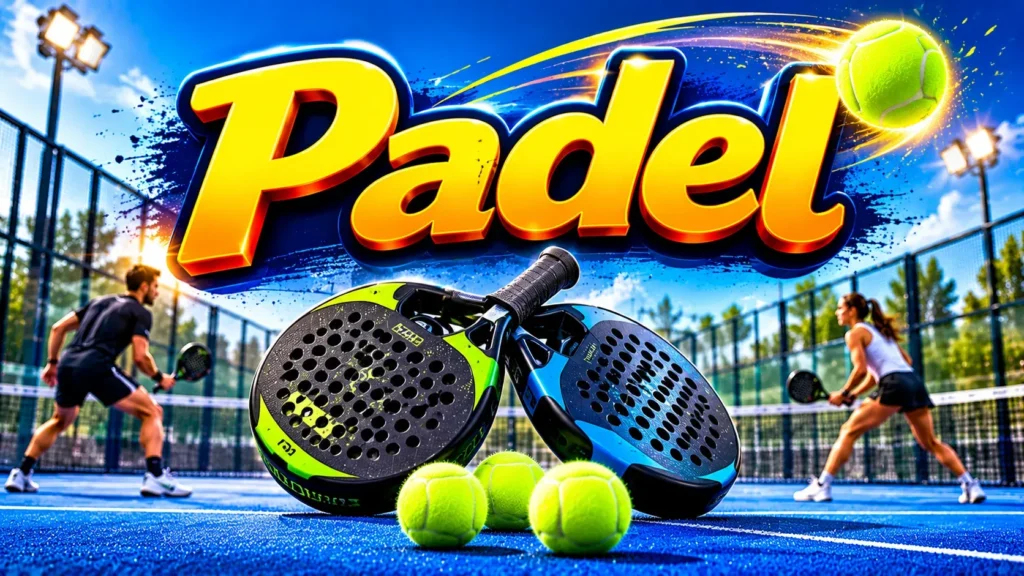
How to Play Padel: Basic Rules Every Beginner Should Know
Understanding the basic rules is the first step toward enjoying a padel match.
Although the game shares similarities with tennis, its serving technique, scoring system, court layout, and use of walls create a different playing experience.
1. Understanding the Padel Court
A standard doubles padel court measures 20 metres long and 10 metres wide.
It is divided into two halves by a central net and surrounded by walls and fencing. The back and side walls are important because they allow the ball to rebound during rallies.
The enclosed design makes positioning and shot selection essential parts of the game.
2. Learning the Serving Rules
Padel serves are performed underarm.
The server must bounce the ball on the ground before hitting it below waist level. The serve is directed diagonally into the opponent’s service box.
The ball must land in the correct service area before continuing into the permitted playing space.
A player generally has two attempts to complete a legal serve, following the applicable rules.
3. Understanding the Scoring System
Padel uses the traditional tennis-style scoring system:
- 0 points: Love.
- 1 point: 15.
- 2 points: 30.
- 3 points: 40.
- 4 points: Game, subject to the required margin.
Games are combined into sets, and matches are commonly played as best-of-three sets, although competition formats can vary.
4. How Walls Work During a Match
Walls are one of the most interesting features of padel.
After the ball bounces on the opponent’s court, it can rebound off the surrounding walls and remain in play.
Players can use these rebounds to create defensive opportunities, return difficult shots, and develop more advanced attacking strategies.
However, a ball that hits a wall before first landing in the opponent’s court is generally out.
Understanding wall positioning is an important part of improving your padel technique.
Essential Padel Equipment: What Do You Need to Start Playing?
One reason beginners find padel approachable is that they do not need an extensive collection of specialized equipment to begin.
A few essential items are enough to get started.
1. Padel Racket
A padel racket is solid and perforated, without the strings found in traditional tennis rackets.
Beginner rackets are often designed with comfort and control in mind. Round-shaped rackets are a popular starting option because they generally offer a larger central hitting area.
2. Padel Balls
Padel balls resemble tennis balls but are designed for the sport’s playing requirements.
Using suitable padel balls helps maintain the expected bounce and overall match experience.
3. Proper Sports Shoes
Footwear is important because padel requires frequent lateral movement, sudden stops, and changes of direction.
Players should choose court shoes that provide suitable grip, stability, and comfort for the surface they use.
4. Comfortable Sports Clothing
Lightweight and breathable clothing helps players move comfortably during matches.
A towel, water bottle, and basic personal accessories can also make recreational sessions more convenient.
How Do I Get Started Playing Padel? A Beginner’s Guide
Starting padel does not require professional training or previous experience in competitive racket sports.
With the right equipment, a suitable court, and some basic instruction, beginners can begin developing their skills and enjoying the game.
Step 1: Find a Local Padel Court
Start by searching for padel clubs, sports centers, and recreational facilities in your area.
Many venues offer hourly court rentals, beginner sessions, and introductory coaching programmes.
Before booking, check the availability of equipment rentals and whether the facility offers beginner-friendly sessions.
Step 2: Choose a Beginner-Friendly Racket
You do not need to purchase an expensive professional racket immediately.
Choose a comfortable racket that provides good control and suits your playing experience.
Some sports facilities also provide rental rackets, allowing you to experience the sport before investing in personal equipment.
Step 3: Learn Basic Techniques
Focus on mastering a few fundamental skills:
- Correct racket grip.
- Underarm serving.
- Basic forehand and backhand shots.
- Court positioning.
- Understanding wall rebounds.
- Communication with your partner.
Developing these fundamentals can make your early matches more enjoyable and help prevent poor technique from becoming a habit.
Step 4: Play With Other Beginners
Playing with people at a similar skill level can make the learning experience more comfortable.
Beginner-friendly matches provide opportunities to practice positioning, understand the rules, and develop confidence without unnecessary pressure.
Step 5: Practice Consistently
Consistency is more important than immediately attempting advanced techniques.
Regular practice can help improve your reaction time, movement, shot control, and understanding of match strategy.
As your confidence increases, you can explore coaching sessions, competitive matches, and local padel tournaments.
The Global Padel Industry: Countries Leading the Revolution
Padel’s international growth is creating new opportunities for sports organizations, commercial facilities, equipment manufacturers, coaches, and professional athletes.
Although the sport has strong historical roots in Spain and Latin America, its popularity is spreading into new markets.
Spain: The Heart of Padel Culture
Spain remains one of the most established padel markets in the world.
The country has a strong recreational playing culture, a developed network of clubs, experienced coaches, and internationally recognized professional players.
Padel is widely integrated into Spanish sporting life, making the country an important destination for enthusiasts and professional competitors.
Argentina: A Major Center of Professional Padel
Argentina has played an important role in the development of international padel.
The country has produced many recognized professional players and maintains a strong competitive tradition.
Its contribution to coaching, player development, and international tournaments has helped strengthen the sport’s global reputation.
United Kingdom: Rapidly Expanding Participation
The United Kingdom is becoming an increasingly important market for padel.
According to the Lawn Tennis Association, 1.5 million adults and juniors were playing padel across Britain by October 2026, supported by 2,445 courts at 682 venues.
The growing number of facilities and organized playing opportunities indicates increasing demand among British sports enthusiasts.
United States: An Emerging Market
The United States represents an important opportunity for the future development of padel.
Sports investors, private clubs, and recreational operators are exploring opportunities to introduce more facilities and attract new participants.
Although padel competes with established racket sports and the popularity of pickleball, its unique playing format offers an additional option for American sports enthusiasts.
Middle East and Asia: New Opportunities for Growth
Countries across the Middle East and Asia are also becoming important parts of the international padel landscape.
Investment in modern sports facilities, recreational communities, and professional sporting events is helping introduce the game to new audiences.
Markets such as the United Arab Emirates, Saudi Arabia, and other developing sports destinations have opportunities to strengthen their padel infrastructure and communities.
Professional Padel and the Future of Competitive Sports
Padel is developing beyond recreational participation and becoming a more organized international professional sport.
Professional tournaments, international rankings, sponsorship agreements, and broadcasting opportunities are helping create a stronger competitive ecosystem.
Premier Padel and International Competition
Premier Padel has become one of the leading professional circuits in the sport.
It brings together elite male and female athletes and organizes tournaments across different international locations.
The International Padel Federation also plays an important role in the development of international competitions, rankings, and the sport’s wider governance.
Rising Opportunities for Professional Players
As padel expands, opportunities are increasing for professional athletes, coaches, referees, and sports organizations.
Young players can pursue structured training and competitive development, while established athletes can build careers through international tournaments and sponsorship opportunities.
The expansion of professional competition also helps inspire recreational players who want to improve their skills.
Technology and Innovation in Padel
Technology is becoming increasingly relevant to modern padel.
Examples include:
- Video analysis for improving player performance.
- Digital court-booking platforms.
- Match statistics and performance tracking.
- Smart sports equipment.
- Online coaching and training resources.
- Live streaming and digital tournament coverage.
These developments can improve the overall playing experience while making the sport more accessible to international audiences.
What Challenges Could Slow Down Padel’s Global Growth?
Despite its impressive expansion, padel faces several challenges that could influence its long-term development.
1. Limited Court Availability
In some regions, demand for court bookings is increasing faster than the development of new facilities.
This can make it difficult for beginners to find convenient playing times, particularly during evenings and weekends.
2. Court Construction and Maintenance Costs
Building a suitable padel facility requires investment in court structures, glass panels, flooring, lighting, fencing, and other infrastructure.
Businesses must also consider ongoing maintenance, land availability, and operational expenses.
3. Accessibility and Equipment Costs
Although beginners do not need professional equipment, the cost of rackets, footwear, coaching, and court rentals can become a barrier for some potential players.
Affordable introductory programmes and public sports facilities could help address this challenge.
4. Maintaining Long-Term Interest
Rapid popularity does not automatically guarantee long-term success.
The sport needs accessible facilities, qualified coaches, organized competitions, and strong community programmes to maintain participation.
Continued investment in grassroots development will be essential for creating a sustainable global padel ecosystem.
What Is the Future of Padel Beyond 2026?
The future of padel looks promising as international participation, professional competition, and commercial investment continue to expand.
The FIP World Padel Report 2026 highlights the sport’s growing international footprint, with more than 40 million active players and over 91,200 courts worldwide.
Several developments could shape the next stage of its evolution.
More international participation: New clubs and facilities could introduce padel to communities that previously had limited access to the sport.
Greater professional visibility: International tournaments and digital broadcasting may help attract larger audiences and commercial partnerships.
Improved grassroots development: Beginner coaching, youth programmes, and community facilities can encourage long-term participation.
More sports-related investment: Equipment brands, facility operators, sponsors, and sports organizations may find new commercial opportunities as the market develops.
Stronger international recognition: Continued cooperation between national federations and international organizations could strengthen the sport’s competitive structure.
However, sustainable growth will depend on balancing commercial expansion with affordable access, quality facilities, and opportunities for players at every skill level.
Final Thoughts: Is Padel More Than Just a Sports Trend?
Padel’s rapid rise in 2026 demonstrates how a relatively simple recreational activity can develop into an international sporting phenomenon.
Its combination of accessible gameplay, social interaction, physical activity, and competitive excitement has attracted millions of players around the world.
The expansion of courts, professional tournaments, international communities, and sports-related businesses suggests that padel has significant potential beyond its current popularity.
Nevertheless, long-term success will depend on continued investment in infrastructure, affordable participation, professional development, and grassroots programmes.
For beginners, this could be an excellent opportunity to discover a new sport, develop physical skills, and become part of a growing international community.
Padel is no longer just an alternative to traditional racket sports. It is building its own global identity, and 2026 may prove to be another important chapter in its international journey.
Frequently Asked Questions (FAQs)
1. What’s padel, and how is it different from tennis?
Padel is a racket sport that combines elements of tennis and squash. It is generally played in doubles on an enclosed court with glass walls and metal fencing. Unlike tennis, players can use wall rebounds during rallies, and the game uses solid, perforated rackets.
2. Why is padel becoming so popular in 2026?
Padel is gaining popularity because it is relatively easy to learn, encourages social interaction, and offers an enjoyable combination of fitness and competition. The expansion of courts, international tournaments, and social media coverage is also increasing its global visibility.
3. Is padel suitable for beginners?
Yes. Padel is suitable for many beginners because its basic techniques are relatively accessible. Players can start with simple serving, positioning, and racket-control skills before progressing to advanced tactics and competitive matches.
4. How to play padel and what are its basic rules?
Padel is generally played between two teams of two players. The server uses an underarm serve, and players must return the ball over the net into the opponent’s court. The ball can rebound off the walls after landing on the court, and the scoring system follows traditional tennis-style scoring.
5. How do I get started playing padel?
To get started playing padel, find a local padel club, book a beginner-friendly court, and arrange a suitable racket and sports shoes. Learn the basic serving and hitting techniques, understand the rules, and practice with other beginners. Regular practice and introductory coaching can help you improve your confidence and performance.